Minimally Invasive / General Surgery in Arlington Heights, Cook County, Chicago
General Surgery

General surgery involves the diagnosis and surgical management of a wide range of conditions affecting any part of your body.
Hernia
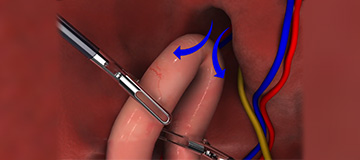
Hernia is an opening formed by the lining of the abdominal cavity. Abdominal wall hernia occurs when the contents of the intestine bulge out of the abdominal wall.
Hiatal Hernia
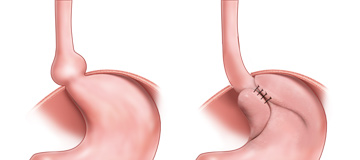
Hiatal hernia is a condition characterized by a protrusion of the upper part of the stomach through the diaphragm.
Hernia Repair
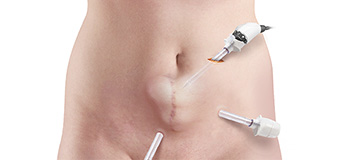
A hernia is a bulge or protrusion of an organ or fatty tissue through a weakened area in the muscle or connective tissue in which the organ is enclosed. A hernia can develop in any part of the body.
Laparoscopic Hernia Repair
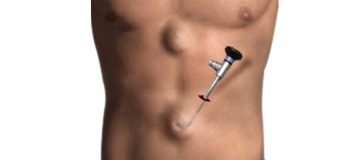
A hernia is a sac-like structure that protrudes from a weak area or opening in the wall of the abdominal cavity. It is seen as a bulge over the skin and often characterized with pain and discomfort.
Open Hernia Surgery
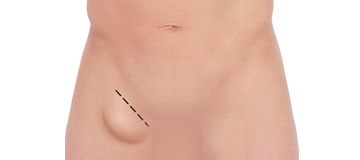
The standard method of hernia repair involves making an incision in the abdominal wall. Normal healthy tissues are cut until the area of weakness is found.
Incisional Hernia Repair

An incisional hernia repair is a surgical procedure performed for the treatment of a medical condition called an incisional hernia.
Abdominal Wall Reconstruction
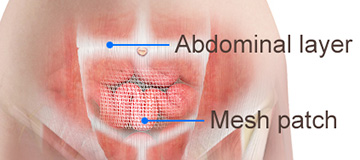
Abdominal wall reconstruction is the surgical repair of the abdominal wall to restore its integrity. The abdominal wall controls urination, defecation, and coughing.
Breast Pain

Breast pain, also referred to as mastalgia, mastodynia, and mammalgia, is any discomfort, tenderness, or pain in the breast or underarm region.
Breast Abscesses

A breast abscess can be defined as a localized, painful pus-filled lump that develops beneath the skin of the breast.
Male Gynecomastia

Male gynecomastia is an abnormal condition characterized by breast enlargement in males. Occasionally they may also secrete milk.

Lumpectomy

Lumpectomy, also called wide excision is a surgical procedure to remove a malignant tumor or a lump along with some of the surrounding normal tissue from a woman’s breast.
Mastectomy
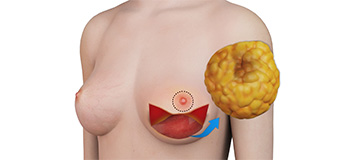
Mastectomy is a surgery to remove the breast, usually performed to treat or prevent breast cancer. There are 4 main types of mastectomy depending on the stage of cancer, size of the breast tumor and lymph node involvement
Sentinel Node Biopsy

The sentinel nodes are the first lymph nodes to which cancer cells are most likely to spread from a primary tumor. Breast cancer usually spreads first to the lymph nodes in the axilla (armpit).
Gallbladder Disease

Gallbladder disease is an umbrella term for several conditions affecting the gallbladder. Inflammation of the gallbladder wall (cholecystitis) is responsible for a majority of the gallbladder diseases.
Appendectomy
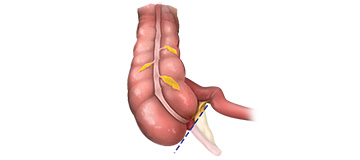
An appendectomy is the surgical removal of the appendix. The appendix is a finger-like pouch attached to the large intestine and located in the lower right area of the abdomen. The exact function of this organ is not clear.

Small Bowel Resection
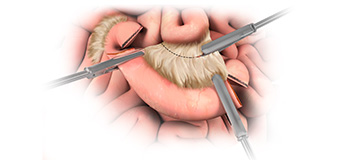
The small intestine or small bowel extends from your stomach to your large intestine and is where most of the digestion and absorption of nutrients from food occurs.
Toupet Fundoplication
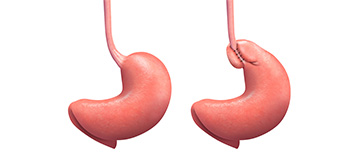
Toupet fundoplication is a minimally invasive surgical procedure used to treat gastroesophageal reflux disease and hiatal hernias.
Open Colon Resection
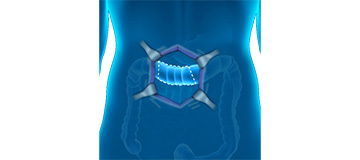
Colon resection is performed to prevent and treat various medical conditions associated with the colon including colorectal cancer, polyps, intestinal injury, bleeding from the colon, diverticulitis, Crohn’s disease or bowel obstruction.
Laparoscopic Colorectal Surgery
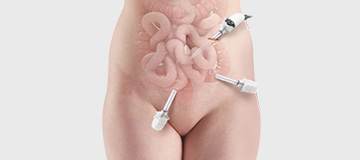
Laparoscopy is a minimally-invasive surgical procedure that uses a laparoscope to diagnose and treat various disorders. Laparoscopes are thin fiber-optic devices fitted with a camera and lens.
Laparoscopic Colon Resection
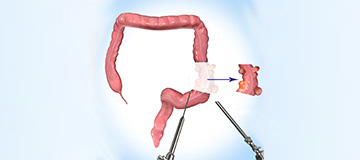
The colon is the large intestine. The colon and the rectum (bowel) function to store and expel processed food and waste. Colon resection or colectomy is the surgical removal of all or a part of the colon.
Anorectal Surgery
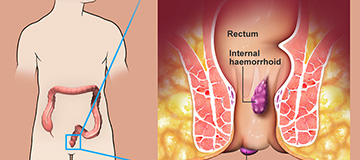
Anorectal surgery refers to a range of procedures performed to treat conditions affecting the anus and rectum. Common reasons for anorectal surgery include hemorrhoids, anal fissures, anal fistulas, and rectal prolapse.
Hemorrhoidectomy
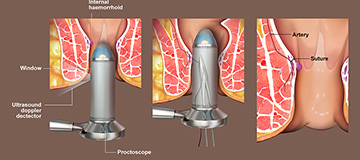
Hemorrhoids are masses or lumps formed due to swollen blood vessels inside or outside the rectum. In severe stages, they may become infected or protrude from the anus (prolapsed hemorrhoid) and require surgical removal.
Gastric Restrictive Surgery
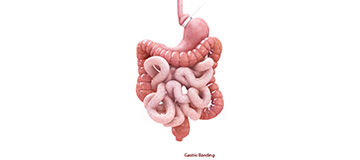
Gastric restrictive surgery is a type of bariatric surgery (weight-loss surgery) performed for the treatment of extreme or morbid obesity and involves surgical modification of the stomach to reduce its size, create early satiety, and limit food intake.
Gallbladder Surgery
Gallbladder surgery, also known as cholecystectomy, is a surgical procedure to remove your gallbladder.