Minimally Invasive Surgery
What is Minimally Invasive Surgery?
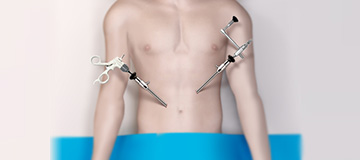
Minimally invasive surgery (MIS) is a surgical technique that uses small incisions, specialized instruments, and advanced imaging technology to perform procedures with less damage to the body’s tissues compared to traditional open surgery.
Instead of making large cuts, surgeons use tiny incisions through which a camera (endoscope or laparoscope) and miniature surgical tools are inserted. The camera transmits high-definition images to a monitor, allowing the surgeon to perform the operation with precision.
What are the Different Types of Minimally Invasive Surgery?
Common types of minimally invasive surgery include the following:
- Laparoscopic surgery (used for the abdomen, gallbladder, appendix, etc.)
- Arthroscopic surgery (used for joints like the knee or the shoulder)
- Endoscopic surgery (used for the spine, sinus, or digestive tract)
- Bronchoscopic surgery (used for the chest and lungs)
- Robotic-assisted surgery (uses robotic systems for enhanced precision)
What are the Indications for Minimally Invasive Surgery?
Indications for minimally invasive surgery include medical conditions where surgery can be effectively performed through small incisions with minimal tissue disruption. It is typically recommended when visualization and access can be safely achieved using endoscopic or laparoscopic tools. Common indications include the following:
- Abdominal conditions, such as gallstones, appendicitis, hernias, and gastroesophageal reflux disease (GERD).
- Orthopedic disorders, such as torn ligaments, cartilage damage, or joint injuries (arthroscopy).
- Gynecologic issues, including ovarian cysts, fibroids, and endometriosis.
- Urologic problems, such as kidney stones or prostate enlargement.
- Cardiothoracic conditions, such as lung biopsies or valve repairs.
- Spinal conditions, including herniated discs and spinal stenosis.
What Does the Procedure for Minimally Invasive Surgery Involve?
In general, the procedure for minimally invasive surgery will involve the following steps:
- The patient is given either general or regional anesthesia to ensure comfort and prevent pain during surgery.
- One or more small incisions are made near the surgical site.
- A tiny camera (endoscope or laparoscope) is inserted through one incision to project clear, magnified images of the internal organs onto a screen. Specialized surgical instruments are inserted through other incisions.
- Guided by the camera, the surgeon performs the necessary steps, such as removing damaged tissue, repairing structures, or taking biopsies, using precise, minimally invasive instruments.
- Once the surgery is complete, the instruments and camera are removed. The small incisions are closed with sutures, surgical glue, or small bandages.
What Does Postoperative Care for Minimally Invasive Surgery Involve?
After a minimally invasive surgery, patients are taken to a recovery area where their vital signs are closely monitored as the effects of anesthesia wear off. Most patients experience less pain and discomfort compared to traditional open surgery because of the smaller incisions. Pain relief medications may be provided as needed. Depending on the type of procedure, patients can often go home the same day or after a short hospital stay. Patients are advised to rest, gradually resume normal activities, and follow their surgeon’s post-operative instructions, which may include wound care, activity restrictions, and follow-up appointments to monitor healing.
What are the Risks and Complications of a Minimally Invasive Surgery?
Although minimally invasive surgery is generally safe, it can still carry some risks and potential complications, including:
- Bleeding or infection at the incision sites
- Adverse reaction to anesthesia
- Injury to nearby organs, tissues, or blood vessels
- Blood clots (deep vein thrombosis)
- Temporary pain, swelling, or bruising at the incision area
- Need to convert to open surgery if the procedure cannot be completed safely using minimally invasive techniques
What are the Benefits of a Minimally Invasive Surgery?
Benefits of minimally invasive surgery include the following:
- Smaller incisions and minimal scarring
- Reduced pain and blood loss
- Lower risk of infection and complications
- Shorter hospital stay or same-day discharge
- Faster recovery and return to normal activities
- Greater surgical precision with advanced imaging and instruments