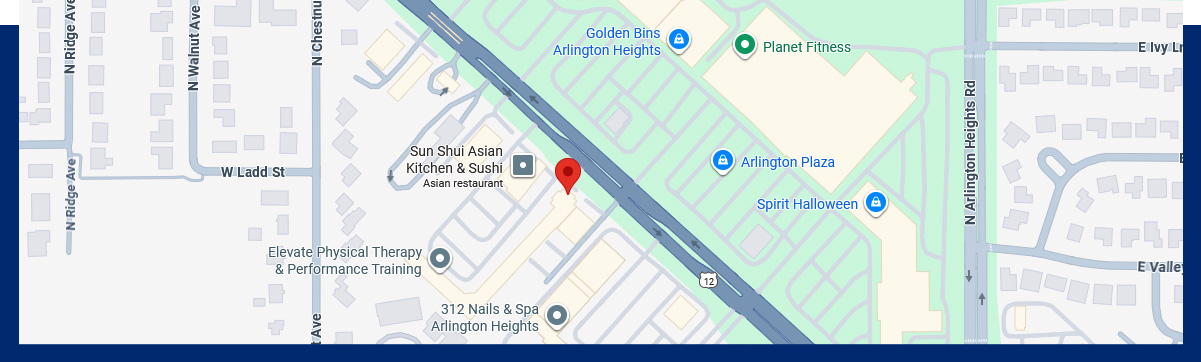
Anorectal Surgery in Arlington Heights, Cook County, Chicago
What is Anorectal Surgery?
Anorectal surgery refers to a range of procedures performed to treat conditions affecting the anus and rectum. Common reasons for anorectal surgery include hemorrhoids, anal fissures, anal fistulas, and rectal prolapse. The specific type of surgery depends on the condition being treated. Some common types of anorectal surgery include:
- Hemorrhoidectomy – Removal of hemorrhoids, which are swollen blood vessels in the rectum or anus that cause pain, bleeding, or prolapse.
- Fissurectomy – Removal or treatment of anal fissures, which are tears in the skin around the anus.
- Fistulotomy – Surgery to treat anal fistulas, which are abnormal connections between the anal canal and the skin.
- Rectal Prolapse Repair – Surgical correction of rectal prolapse, where the rectum slips out of its normal position.
- Colorectal Cancer Surgery – Removal of cancerous tissue from the rectum or anus.
Indications for Anorectal Surgery
Indications for anorectal surgery typically involve anorectal conditions that cause significant symptoms or complications that cannot be managed effectively with conservative treatments like medications, dietary changes, or lifestyle modifications. Common indications for anorectal surgery include:
- Hemorrhoids
- Anal fissures
- Anal fistulas
- Rectal prolapse
- Anal or rectal cancer
- Abscesses
- Chronic constipation or incontinence
- Proctitis or rectal inflammatory diseases
Procedure for Anorectal Surgery
The procedure for anorectal surgery varies depending on the specific condition being treated. Before surgery, a thorough evaluation is conducted to determine the nature of the condition and the best surgical approach. This may include physical exams, imaging (like an anoscopy or MRI), and blood tests. Anorectal surgery is usually performed under either local anesthesia, spinal anesthesia (epidural), or general anesthesia, depending on the complexity of the procedure. For some procedures (especially those involving the rectum), the patient may be asked to follow a special diet or undergo bowel cleansing to ensure the colon and rectum are empty before surgery.
- Hemorrhoidectomy: Removal of large or prolapsed hemorrhoids. The surgeon makes incisions to remove the hemorrhoidal tissue either through traditional excision or using a stapling technique (stapled hemorrhoidopexy). The incision is typically left open or closed with stitches, depending on the approach used.
- Fissurectomy: Surgical removal of a chronic anal fissure. This involves making a small incision around the fissure site to remove the affected tissue. In some cases, a sphincterotomy (cutting the anal sphincter muscle) is performed to relieve pressure and promote healing.
- Fistulotomy: The surgeon will identify the fistula tract (an abnormal connection between the anal canal and the skin) and surgically open it up for drainage. The procedure may involve draining an abscess or removing any infected tissue. In complex cases, additional treatments (like seton placement) may be required to promote healing.
- Rectal Prolapse Repair: Surgical correction of rectal prolapse can be done either through a transabdominal approach (removing the portion of the prolapsed rectum) or a perineal approach (repairing the prolapse from the anus). The choice of approach depends on the patient’s health and the degree of prolapse.
- Anal Cancer or Tumour Removal: For malignancies, surgical excision of the tumor is often necessary. In some cases, this may involve removing part of the rectum or anus and possibly creating a colostomy.
- Abscess Drainage: If an abscess is present, the surgeon will make an incision to drain the pus. If the abscess is associated with a fistula, additional procedures may be required.
Postoperative Care and Recovery
Postoperative care and recovery after anorectal surgery focuses on pain management, wound healing, and preventing complications. Patients may experience discomfort, swelling, and mild bleeding, which can be managed with prescribed pain relievers, sitz baths, and stool softeners to prevent straining during bowel movements. Maintaining good hygiene is crucial to avoid infection, and patients are advised to gently clean the surgical area after each bowel movement. A high-fiber diet and adequate hydration help promote smooth bowel movements and prevent constipation. Physical activity should be limited initially, with a gradual return to normal activities as healing progresses. Follow-up appointments are essential to monitor healing and address any complications, such as excessive bleeding, infection, or difficulty with bowel movements. Most patients recover within a few weeks, though healing time varies depending on the specific procedure and individual health factors.
Risks and Complications
Anorectal surgery, while generally safe, carries certain risks and potential complications. These include:
- Pain and discomfort
- Bleeding
- Infection
- Delayed wound healing
- Fecal incontinence or difficulty controlling bowel movements
- Constipation or straining
- Recurrences of the condition, such as hemorrhoids or fistulas
- Narrowing (stenosis) of the anal canal